What A Starter Motor Does
It turns the engine over so it can start. A car engine cannot start itself, so the starter motor spins it until it fires.
When you turn the key or press the start button, the battery sends power to the starter motor. A small gear on the starter, called the pinion, pushes out and turns the flywheel (the big toothed wheel on the back of the engine). Once the engine runs, the pinion pulls back out of the way.
Signs Your Starter Motor Needs Replacing
Listen when you turn the key. Clicking, humming or grinding with no engine start usually points to the starter motor.
| What you hear | What it usually means |
|---|---|
| Clicking | The starter is not getting enough power to spin, or the starter itself is failing. |
| Humming, but the engine does not turn | The starter is spinning but not meshing with the flywheel. It can also point to the solenoid, the switch that sends power to the starter, or a weak connection between the battery and the starter. |
| Grinding or grating | Loose mounting bolts, or worn teeth on the pinion gear. |
If you hear any of these, get the starter looked at soon. A starter that is grinding can damage the flywheel teeth, which is a bigger repair.
Starter Motor Or Battery: How To Tell
If the dash lights are dim and you hear fast clicking, it is usually the battery. If the lights are bright but the engine will not turn, it is more likely the starter motor.
A jump start is a quick test. If the car starts straight away with a jump, the battery was flat. If it still clicks, hums or does nothing with a good jump, the starter, the solenoid or the wiring is the problem.



 Read Our Google Reviews
 Jump Starts
 Mobile Battery Replacement
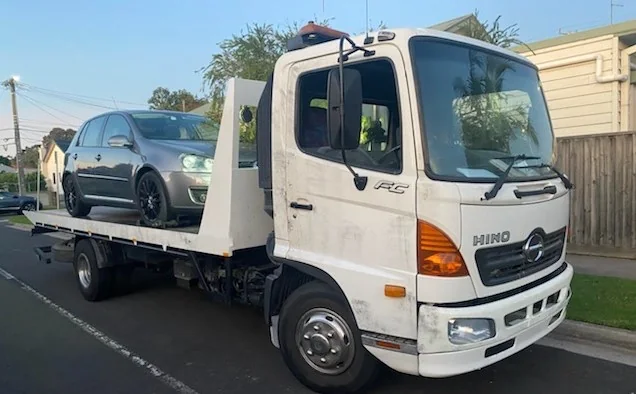
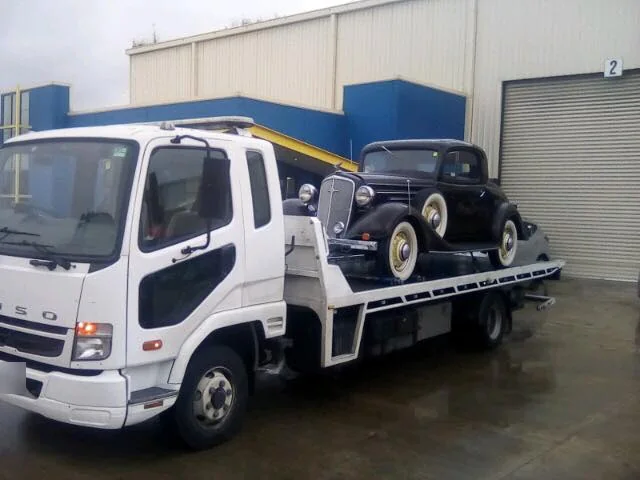
 Car Towing
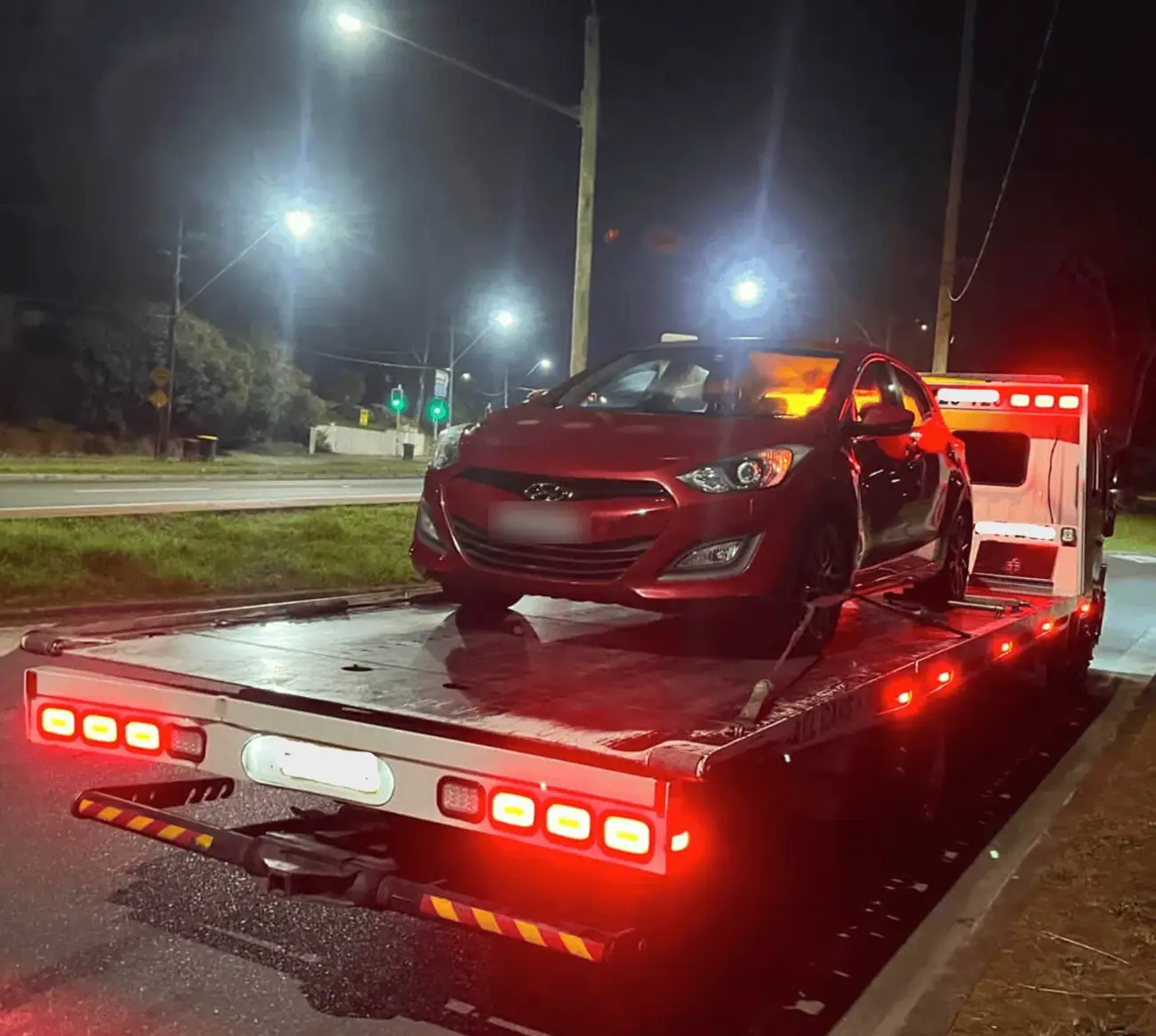
 24 Hour Emergency Towing